
Auto Loan : How to Get the Lowest Rate Today in the USA
Understanding Today’s Auto Loan Market
Buying a car these days can feel overwhelming, especially with prices shifting so much. Whether you are looking for a brand-new ride for the family or a reliable used car, understanding how an Auto Loan works right now is the best way to protect your monthly budget.
We have seen borrowing costs drop a tiny bit recently, but let’s be honest, they are still pretty high. Banks actually prefer to finance new cars because their exact value is crystal clear. Right now, average rates sit around 7.04% for new cars, while used cars are over 10.60%. Because of this difference, taking out an Auto Loan for a brand-new car often looks much cheaper on paper than financing an older one.
Why Your Monthly Bill Keeps Changing
You might be wondering why borrowing money feels so expensive lately. It really just comes down to what the big national banks are doing. When they raise their rates, local lenders simply pass those extra costs straight down to us.
Even with recent small price drops, finding a fair Auto Loan still costs more than it did a few years ago. That is exactly why you should never just nod and accept the very first offer a car salesman slides across the desk. It pays to be careful, set strict limits for yourself, and look closely at all your options.
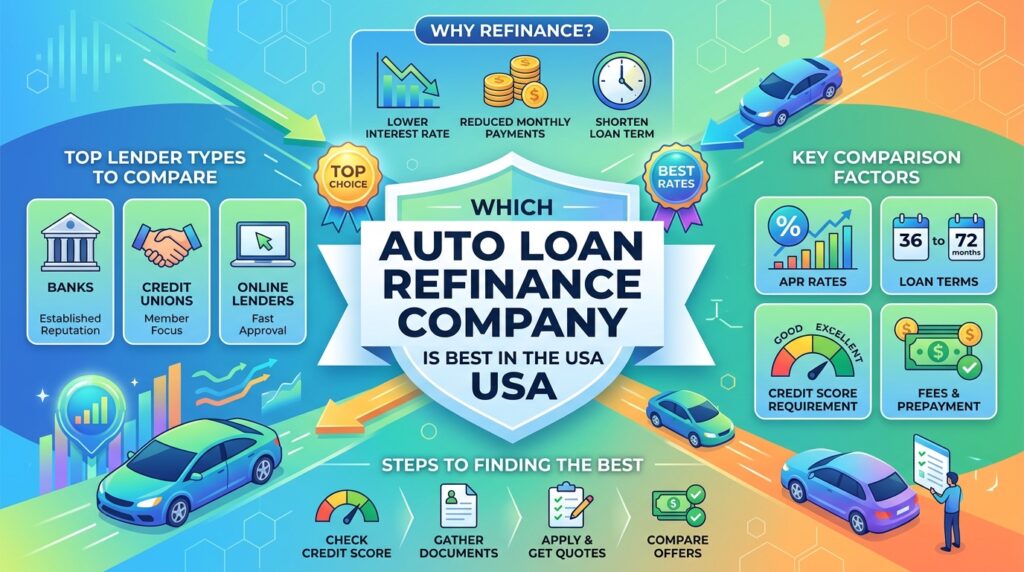
A Guide to the Best Car Financing
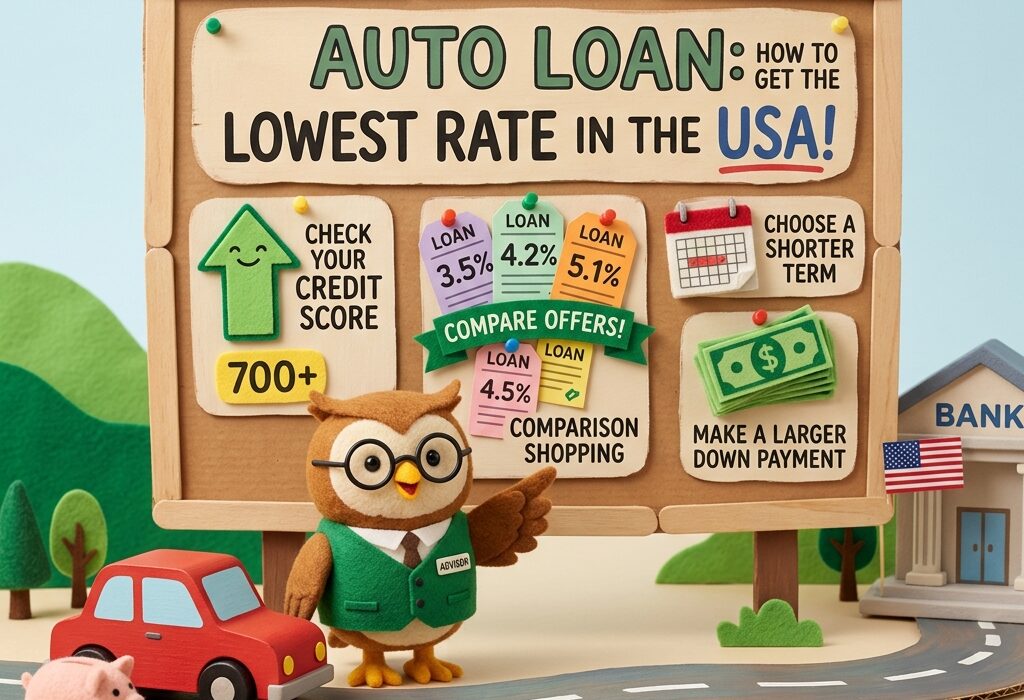
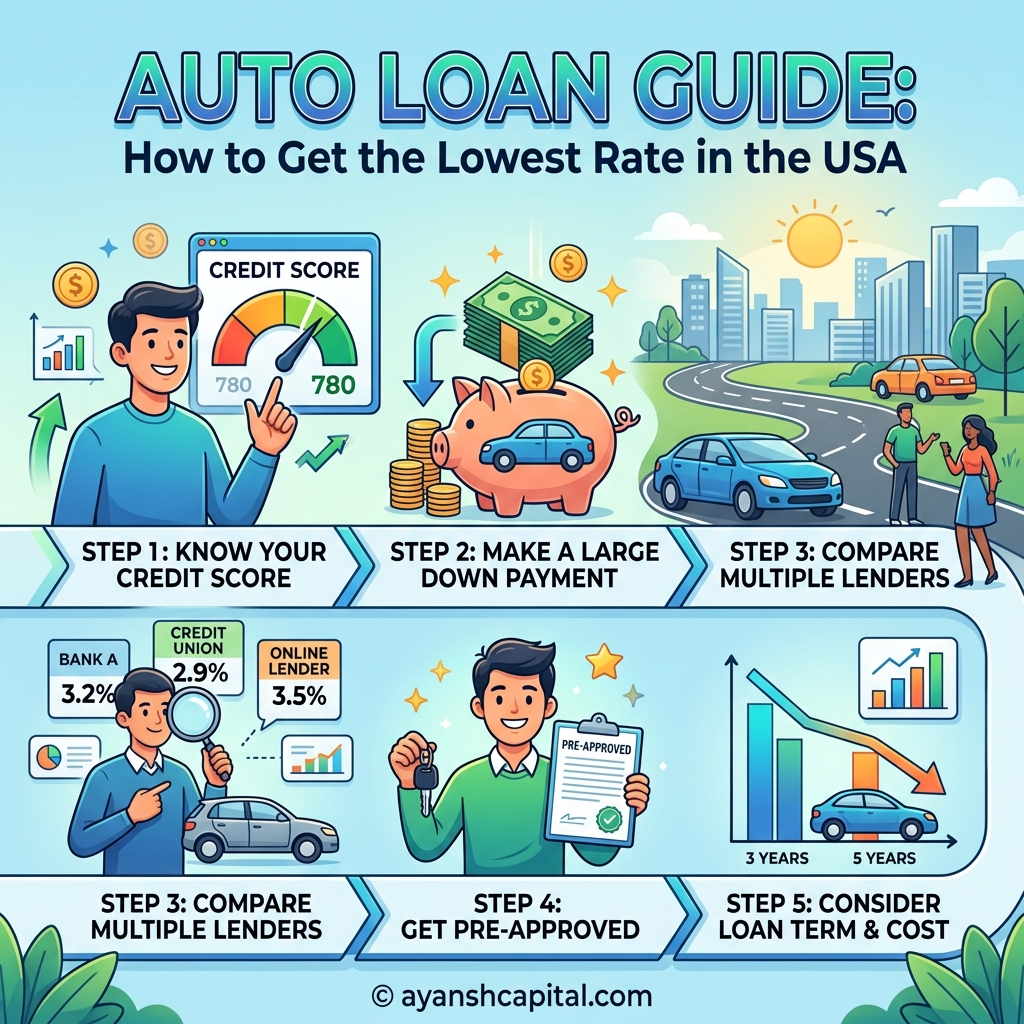
If you want to keep more of your hard-earned money in your pocket, here are some practical steps that genuinely work:
- Check Your Credit History: A clean record of paying bills on time is your best friend here. It is the single easiest way to get a cheaper Auto Loan. Always check your record for tiny mistakes before you walk into a dealership.
- Shop Around First: Do not let the dealer control the financing. Check with local banks and credit unions before you even leave your house.
- Pick a Shorter Plan: While a 5-year plan sounds normal, trying to pay off the car in 3 or 4 years will slash your interest rate and save you thousands of dollars.
- Pay More Upfront: Bringing a bigger cash down payment shrinks the total size of your Auto Loan. This makes the bank trust you more and gives you the power to ask for a better deal.
Where to Find Your Auto Loan: Big Banks vs. Credit Unions
At the end of the day, showing that you are highly reliable with your money gives you choices. If your credit score reflects a fantastic track record (like a 780 or higher), you have the power to demand a deal that respects your hard work. For families with great credit, you generally have two paths to secure an Auto Loan:
- Credit Unions: Think of places like PenFed or Navy Federal as helpful neighborhood groups. Because they are not just chasing profits, they offer deals that protect your family’s savings. Right now, they are offering rates around 5.75% for a 5-year new car plan, and sometimes even as low as 3.39% if you meet special conditions. For a used car, you can expect rates around 5.82%.
- Traditional Banks: Familiar names like Chase or Bank of America are incredibly convenient, but they are massive businesses. Even if you have always been great with your money, a 5-year new car plan averages about 7.49% (though some start lower, around 5.44%). For a used car, you will likely see rates hovering around 7.79%.
Average Auto Loan Rates by Vehicle Type
Here is a breakdown of the current 60-month average APR for a standard auto loan:
| Car Type | 60-Month Average APR |
| New Vehicles | ~7.04% |
| Used Vehicles | Above ~10.60% |
The Impact of Credit Scores on Interest Rates
In the world of auto loans, your credit score (FICO Score) is your most powerful weapon. It ultimately determines exactly how much extra money you will end up paying to the lender over the life of your loan. According to Current data, interest rates vary significantly depending on where you fall within the different credit tiers.
Here is a detailed breakdown of how your credit score dictates your auto loan rates:
Note: The Super Prime category is considered the safest tier by lenders, rewarding borrowers with fantastic, market-leading rates. On the other hand, Deep Subprime borrowers face a massive interest burden.
Quick Comparison: Traditional Banks vs. Credit Unions
A Guide to Your Next Auto Loan: Top 25 Lenders
When you are stepping out to buy a car, finding the right place to borrow money is about so much more than just cold math. It is about partnering with someone who genuinely respects your family’s budget and the long hours you work. Let’s sit down and look closely at 25 of the top financing companies, breaking down what they truly offer so you can confidently secure a fair Auto Loan to protect your hard-earned wallet.
1. Bank of America If you already trust them with your family’s daily checking account, this big bank can actually feel quite welcoming.
- The Numbers: Rates start around 5.44% for new cars and 5.64% for used cars, with funding starting at a minimum of $7,500.
- The Human Touch: If you are part of their Preferred Rewards Program, they honor your loyalty with a 0.25% to 0.50% discount on a new Auto Loan. They even let you lock in your rate for 30 days, giving you real peace of mind while you browse the car lots without rushing.
- The Catch: You can only buy from their strictly approved dealership network, and they will unfortunately skip over older cars with high mileage.
2. PenFed Credit Union (Pentagon Federal Credit Union) Credit unions are often a working family’s best friend because they prioritize everyday people over massive corporate profits.
- The Numbers: Fantastic starting rates sit around 4.19% for shorter terms, and they will lend you up to $150,000.
- The Human Touch: If you have worked hard to build a stellar credit history, PenFed rewards you by funding up to 125% of the car’s retail value. This makes it a brilliant Auto Loan for someone buying a nearly new, low-mileage vehicle to keep their loved ones safe.
- The Catch: You must establish membership first, and their absolute lowest advertised rates are only available if you choose a shorter repayment plan.
3. Capital One Auto Finance This is a wonderful option for folks who want to see the real numbers clearly before they ever step onto a stressful dealership lot.
- The Numbers: You need to bring home about $1,500 to $1,800 a month to qualify, and financing starts at a low minimum of $4,000.
- The Human Touch: Their “Auto Navigator” tool lets you pre-qualify for your Auto Loan without hurting your credit score through a safe soft pull. It brings much-needed transparency and calm back to the whole buying process.
- The Catch: You still have to finalize the exact details in person at a partner dealership, and they do not operate in Alaska or Hawaii.
4. U.S. Bank Sometimes the absolute best deal isn’t at a fancy dealership, but from a trusted neighbor or private seller.
- The Numbers: Rates sit near the national average of roughly 6.50%, and they offer comfortable repayment terms up to 72 months.
- The Human Touch: Unlike many big banks that refuse to help you buy directly from an individual, U.S. Bank gives you a clear, streamlined path to secure an Auto Loan for a private, peer-to-peer transaction.
- The Catch: They are very rigid about the age and mileage of used cars, and they will not let you pre-qualify online without a hard credit check.
5. Navy Federal Credit Union If you or your loved ones have served in the military, this is an incredible institution that truly honors your family’s sacrifice.
- The Numbers: Highly competitive baseline rates start around 4.09%, and they let you stretch payments all the way up to 96 months.
- The Human Touch: They offer incredible flexibility with zero hidden origination fees, making it much easier to shape an Auto Loan that fits comfortably into your monthly household budget without causing stress.
- The Catch: You must have military ties to join their caring community, and their online tracking system can sometimes feel a bit sluggish.
6. LightStream For those who have meticulously protected their financial health (with credit scores of 750 or higher), LightStream hands you the keys to absolute freedom.
- The Numbers: Rates hover around 5.99% if you enroll in autopay, and their funding reaches up to $100,000.
- The Human Touch: Instead of a traditional, collateral-backed Auto Loan, they deposit cash directly into your bank account. This empowers you to walk in and negotiate exactly like a cash buyer, with zero restrictions on the car’s make, year, or mileage.
- The Catch: Their underwriting standards are incredibly strict. If your credit score has a few bruises from past struggles, they will unfortunately turn you away.
7. Chase Auto For busy families who already use the Chase banking app for daily expenses, keeping your finances under one roof is highly comforting.
- The Numbers: They offer highly competitive tiered pricing that directly benefits their current account holders.
- The Human Touch: You can seamlessly manage your Auto Loan right from your phone alongside your checking account, and they happily connect you to a massive network of partner dealerships.
- The Catch: They will not help you buy a car from a private seller, and their baseline rates rarely beat what local, non-profit credit unions offer.
8. Consumers Credit Union (CCU) If you love the caring, community vibe of a credit union but lack military connections, CCU provides a fantastic open door for everyone.
- The Numbers: Base rates begin near an affordable 5.24%.
- The Human Touch: You can get a highly competitive rate just by making a simple, one-time $5 historical donation to join. It is an easy, frictionless way to access better terms and refinancing options to protect your family’s future.
- The Catch: If you are buying an older used car, the interest rates climb drastically, and their physical branches are located entirely in Illinois.
9. Ally Bank Ally is a digital-only lender that gracefully steps up for people with diverse credit histories who might struggle to find a warm welcome elsewhere.
- The Numbers: Rates vary heavily based on the specific dealer network and your personal credit file.
- The Human Touch: They are highly accommodating and understanding if your credit score is simply average, supporting you with 24/7 client services whenever you need a helping hand.
- The Catch: You cannot apply directly on their website; you must visit one of their authorized partner dealerships to secure your funding.
10. PNC Bank Walking into a dealership can feel intimidating, but PNC gives you a powerful tool to take back your negotiating power during the sales process.
- The Numbers: Rates hover near 6.00% for well-qualified applicants, and you can borrow up to $75,000.
- The Human Touch: Through their ‘Check Ready’ program, they physically hand you a blank check up to your approved amount. This lets you negotiate the exact out-the-door price like a cash buyer, protecting your family’s precious savings.
- The Catch: They lack an online soft-pull pre-qualification tool, and their standard rates sit slightly higher than typical credit union baselines.
11. USAA If you or someone in your home has served in the military, USAA feels like family. They truly look out for their own and make the whole process incredibly stress-free.
- The Numbers: Rates begin right around 5.49%.
- The Human Touch: They actively help you save money. If you set up automatic payments, they will give you a nice discount on your Auto Loan, making it one less bill you have to remember to pay every month.
- The Catch: Their doors are strictly closed to the general public; you have to be an active military member, a veteran, or an immediate family member to join.
12. Truist Born from a huge merger between SunTrust and BB&T, Truist is a big bank that actually understands that when you need a car, you need the money fast, without endless paperwork.
- The Numbers: Standard rates average near 6.24%, and they will happily lend you as little as $5,000 if you just need a small push.
- The Human Touch: Once you are approved, they fund your money incredibly fast. Plus, there are zero hidden origination fees sneaking up on you.
- The Catch: To get the very best rates on your Auto Loan, you need an existing bank account with them. Also, if your credit score is under 680, expect to pay a bit more in interest.
13. Alliant Credit Union Trying to save on gas and do something good for the planet? If you are eyeing a hybrid or fully electric vehicle (EV), Alliant wants to reward your forward-thinking choice.
- The Numbers: Interest rates begin near a sweet 5.75% for modern, eco-friendly cars.
- The Human Touch: They offer special “green” discounts to lower your payment, and they are incredibly fast—sometimes wrapping up all your paperwork on the exact same day!
- The Catch: You have to go through the standard credit union sign-up process, and frankly, they aren’t the best place for an Auto Loan if you are trying to finance an older, traditional gas-guzzler.
14. TD Bank For our friends on the East Coast, TD Bank knows that sometimes the only way to make the family budget work is to stretch those payments out so you can breathe easier each month.
- The Numbers: Rates sit around 6.74%, but they give you the breathing room of extending your repayment timeline up to a massive 84 months.
- The Human Touch: We love that their physical branches are actually open on weekends! It is a lifesaver for working parents who simply can’t take time off on a Tuesday to talk about money.
- The Catch: Stretching your Auto Loan out to 84 months absolutely lowers your monthly bill, but remember, you will end up paying quite a bit more in total interest over all those years. Plus, they only operate in certain states.
15. AutoPay Do you already have a car, but your current monthly payment is keeping you awake at night? AutoPay is a brilliant online tool specifically designed to help you fix that heavy burden.
- The Numbers: Rates can start as low as 4.99%, depending on which lender they connect you with from their vast network.
- The Human Touch: Instead of driving from bank to bank, you fill out one easy form from your couch. They shop around for you, generating multiple competing offers to find you a cheaper payment.
- The Catch: When they find you a new lender to refinance your Auto Loan, some of those niche partner banks might tack on a separate administrative fee.
16. Digital Federal Credit Union (DCU) DCU is famous across the country for being a true champion for the everyday consumer. They consistently offer some of the most budget-friendly terms out there.
- The Numbers: They boast highly competitive base rates starting near an excellent 4.49%.
- The Human Touch: Anyone can join them easily by making a tiny donation to a charity. Even better, if you buy an energy-efficient car, they drop your rate by another 0.25%!
- The Catch: To unlock their absolute lowest advertised rates, they do ask that you set up a direct deposit into one of their checking accounts.
17. Wells Fargo Auto You probably recognize the name, but Wells Fargo actually works quietly behind the scenes at thousands of car dealerships. They are the ones pulling the strings when you sit at the dealer’s finance desk.
- The Numbers: Your interest rate varies dynamically based on your credit history and how well you negotiate face-to-face.
- The Human Touch: Because they are absolutely everywhere, they make it super easy to get funded right then and there before you drive off the lot, especially if you already bank with them.
- The Catch: You cannot simply apply for a direct Auto Loan from your laptop at home; you are forced to do everything through the dealership’s finance manager.
18. Citizens Bank If you are looking for a brand-new ride or a solid certified pre-owned car to keep the family safe, Citizens Bank is a very straightforward, no-nonsense partner.
- The Numbers: Base rates sit near 6.49%, and they are happy to finance smaller purchases starting at just $5,000.
- The Human Touch: They don’t hide the ball. Their pricing structures are beautifully transparent, and they offer nice little discounts if you agree to let them pull your monthly payment electronically.
- The Catch: You need a pretty strong credit score to get their top-tier rates, and they primarily lend to folks living in their specific regional map.
19. LendingTree Imagine having banks fight over you instead of you begging them for money. That is exactly what LendingTree does—it is a giant online matchmaker for loans.
- The Numbers: Rates are entirely variable because they depend heavily on which specific lender wins your business.
- The Human Touch: This tool is incredible because it forces banks to compete, maximizing your chances of getting the best possible offer no matter what your credit history looks like.
- The Catch: By putting your name out there, your phone will likely blow up with marketing calls and automated emails from hungry lenders trying to sell you an Auto Loan.
20. MyAutoloan If you hate waiting and just want to know your financial options right now, this online platform respects your time. It gives you answers in mere minutes.
- The Numbers: You will need a minimum credit score of 575, and you must bring home at least $1,500 a month to use their system.
- The Human Touch: They are wonderfully forgiving if your credit isn’t perfect. Within minutes, they hand you up to four direct offers so you can lay them out on the kitchen table and compare them side-by-side.
- The Catch: If things have been tough lately and your monthly income happens to be below $1,500, their system unfortunately won’t be able to match you.
21. Carvana Buying a car in your pajamas sounds like a dream, right? Carvana completely skips the exhausting dealership experience, letting you buy the car and set up the payments all from your couch.
- The Numbers: Uniquely, there is absolutely no structural minimum credit score required to get started.
- The Human Touch: They do a safe “soft pull” on your credit, meaning it won’t hurt your score just to look. You pick the car, arrange the money, and they deliver it right to your driveway.
- The Catch: Convenience comes at a cost. The interest rates they offer are almost always higher than what you would get if you shopped around at a local credit union.
22. OpenRoad Lending Did a dealership pressure you into a terrible, sky-high interest rate? Please don’t panic. OpenRoad is entirely in the business of rescuing people from bad loans.
- The Numbers: They cater to folks rebuilding their finances, requiring a very low minimum credit score of just 560.
- The Human Touch: They genuinely care about dropping your monthly burden. They take that awful dealer contract and swap it out for something you can actually afford, all handled digitally.
- The Catch: They exclusively handle refinancing. You cannot use them to buy an original, brand-new car straight off the lot.
23. RefiJet Sometimes, financial jargon is just overwhelming, and you really need a human being to hold your hand. RefiJet is like having a caring personal assistant for your debt.
- The Numbers: They are incredibly welcoming, requiring a minimum credit score of just 500.
- The Human Touch: They assign you a dedicated specialist who walks you through everything step-by-step. Need to change terms or remove an ex-spouse from a loan? They will help you do it seamlessly.
- The Catch: They do charge a paperwork processing fee, but they conveniently roll it right into your newly restructured Auto Loan so you don’t have to come up with cash up front.
24. Santander Consumer USA (RoadLoans) Life happens. Job losses, medical bills, or a past bankruptcy can completely wreck your credit. Santander understands that, and they deeply believe in second chances.
- The Numbers: They are extremely flexible with absolutely no firm minimum credit score required.
- The Human Touch: They proudly approve people who have been rejected everywhere else. They hand you an online voucher, and you walk into the dealership with your head held high, ready to buy.
- The Catch: That second chance is expensive. Because they take a big risk on bruised credit, you will be paying a hefty subprime premium in interest over the life of the loan.
25. Westlake Financial When every door seems closed and traditional banks turn their backs, Westlake Financial works tirelessly with dealers to find a way to say “yes” so you can get to work and take care of your family.
- The Numbers: There is zero baseline credit score requirement. They look at the bigger picture.
- The Human Touch: Their smart technology gives instant, automated approvals to help you get a reliable car today, so you can finally start repairing your credit score for tomorrow.
- The Catch: To offset the risk of a low score, they will likely demand that you put a larger chunk of cash down up front, and the interest rates will be quite elevated.
The Top 20 Auto Loan Options When Your Credit Needs a Little Love
We all hit bumps in the road. Job losses, unexpected medical bills, or just tough times can severely bruise our credit. But a three-digit number shouldn’t stop you from getting a safe, reliable car to take your kids to school or drive to work. If you are trying to rebuild your life, please don’t lose hope. Here are 20 compassionate partners who look past your past mistakes to help you get back on your feet.
1. MyAutoloan
- The Numbers: Minimum credit score of 575.
- The Human Touch: Think of this as a welcoming community. You just fill out one simple form from your kitchen table, and within minutes, four different lenders who actually understand tough times will reach out to help. It lets you safely compare your options without hurting your score, so you feel confident before seeking your Auto Loan.
2. Carvana
- The Numbers: No strict credit limit, just a minimum income of $4,000 per year.
- The Human Touch: Buying a car online means you never have to face the stress or pressure of a pushy salesman. They take a very gentle, “soft” look at your credit history to give you exact monthly payments. It is a wonderful way to get an Auto Loan from the peace and comfort of your living room.
3. Credit Acceptance
- The Numbers: No minimum score required (perfect for deep credit challenges).
- The Human Touch: If you have been through the heartbreak of bankruptcy, they throw you a real lifeline. They care more about your current job and steady income than your past struggles. Just remember, taking out an Auto Loan while rebuilding will naturally mean slightly higher monthly costs.
4. Capital One Auto Finance
- The Numbers: Highly flexible rules with no strict minimum score.
- The Human Touch: It is incredibly rare for a big bank to be this generous to families trying to get back on their feet. Their friendly “Auto Navigator” tool lets you see what you qualify for in private, so you can walk into the dealership with absolute peace of mind.
5. DriveTime
- The Numbers: No minimum score, proud of an incredible 99% approval rate.
- The Human Touch: When you feel like every door is closed, DriveTime is waiting to welcome you. They sell the cars and handle the money directly, meaning they are the ones saying “yes” to your family when others simply won’t.
6. Auto Credit Express
- The Numbers: Requires a minimum income of $1,500 per month.
- The Human Touch: Think of them as a caring matchmaker. If life has handed you a repossession or a bankruptcy, they don’t judge. Instead, they introduce you to local dealerships in your neighborhood who specialize in giving good people a second chance at an Auto Loan.
7. CarMax
- The Numbers: No minimum credit score.
- The Human Touch: CarMax takes the fear right out of car shopping with totally transparent, upfront pricing. They have their own caring team to fund your purchase, and they also work with outside partners to make absolutely sure you can drive home safely.
8. Car.Loan.com
- The Numbers: None (warmly welcomes zero credit or deeply bruised credit).
- The Human Touch: If you are a young person buying your very first car with no credit history, or if your credit has taken a big hit recently, they connect you with understanding folks who specialize in helping you out.
9. Santander Consumer USA (RoadLoans)
- The Numbers: Very flexible score requirements.
- The Human Touch: They act as a giant safety net for hardworking families all over the country. They are more than happy to approve your Auto Loan when your score is low, though you do want to read the interest terms closely to ensure it fits your family budget comfortably.
10. Westlake Financial
- The Numbers: No minimum credit score required.
- The Human Touch: Westlake works magic behind the scenes. Even if you have a recent bankruptcy, their smart tools help local dealers give you an immediate, face-to-face “yes,” so you can drive your kids home in a reliable vehicle that exact same day.
11. Prestige Financial
- The Numbers: No credit limit, but they do ask for a minimum income of $2,250 per month.
- The Human Touch: Many banks will slam the door if you mention Chapter 7 or Chapter 13 bankruptcy. Prestige is entirely different. They genuinely respect the fact that you are trying to rebuild your life, and they consider it a privilege to help you finance a car.
12. Upstart
- The Numbers: Minimum credit score sits around 510.
- The Human Touch: They refuse to just stare at a meaningless three-digit score. Instead, they look at the real you—your education, your college degree, and how hard you work at your job. It is a wonderfully fair way to secure an Auto Loan if you are just starting out in life.
13. Byrider
- The Numbers: No minimum score required.
- The Human Touch: They are like a neighbor who lends a helping hand. They fund your car directly from their own lot, and beautifully, they often include service warranties so you don’t have to panic about unexpected repair bills if your savings are low.
14. LendingTree
- The Numbers: Varies heavily depending on the specific lender who steps up to help you.
- The Human Touch: Instead of you begging banks for money, this tool makes the banks compete to help you. You securely share your story once, and they find partners eager to work with your specific situation, letting you compare rates fairly and safely.
15. OneMain Financial
- The Numbers: No strict minimum (scores generally under 600 are widely welcomed).
- The Human Touch: Sometimes you just want to sit across the desk from a real human being, and OneMain has friendly physical branches all over the USA just for that. They are a wonderful choice if you want to use a personal asset or car as collateral for your Auto Loan.
16. CarsDirect
- The Numbers: No minimum credit score.
- The Human Touch: They connect hardworking people who might have very low incomes or past financial bumps directly with local neighborhood dealers. They find the exact people who are willing to overlook your past and focus entirely on your future.
17. Lendbuzz
- The Numbers: No minimum score (they warmly welcome you even without any US credit history).
- The Human Touch: If you are an international student or an expat, the system can feel incredibly unfair. Lendbuzz looks past that, focusing purely on your personal bank statements and hard work to help you get on the road.
18. OpenRoad Lending
- The Numbers: Requires a minimum credit score of 560.
- The Human Touch: Are you losing sleep over a terribly expensive car payment from a pushy dealer? OpenRoad is like a rescue boat. They dedicate themselves entirely to replacing that bad contract with a fresh Auto Loan that actually lets your family breathe at the end of the month.
19. First Investors Financial Services
- The Numbers: Highly flexible, focused entirely on helping bruised credit.
- The Human Touch: With decades of experience, they are a deeply trusted friend in tough times. They partner with select local dealers to specifically support families who are trying their absolute best to recover from severe financial setbacks.
20. RefiJet
- The Numbers: Requires a credit score above 500.
- The Human Touch: If you are desperately trying to lower those heavy, inflated interest rates, RefiJet offers a beautifully personalized, hand-holding experience. Their incredibly caring customer support team will be right by your side to guide you through restructuring your car payments.
Top 10 Auto Loan Questions Every Family Should Ask
Q1: What is the current average interest rate for a new vehicle? A1: For a standard 60-month term, families are currently seeing rates around 7.04% to bring a brand-new car home safely.
Q2: Why are used car rates higher than new car rates? A2: Older cars lose their value unpredictably, making lenders a bit nervous. That is why pre-owned rates generally sit above 10.60%.
Q3: How does my credit score affect my interest rates? A3: Think of it as a trust score. A superb score (781+) rewards you with the cheapest rates, while lower scores sadly mean lenders ask for more money to cover their risk.
Q4: Should I choose a bank or a credit union? A4: Community credit unions usually offer cheaper, friendlier rates to help members. Big traditional banks, however, give you much better mobile apps for everyday convenience.
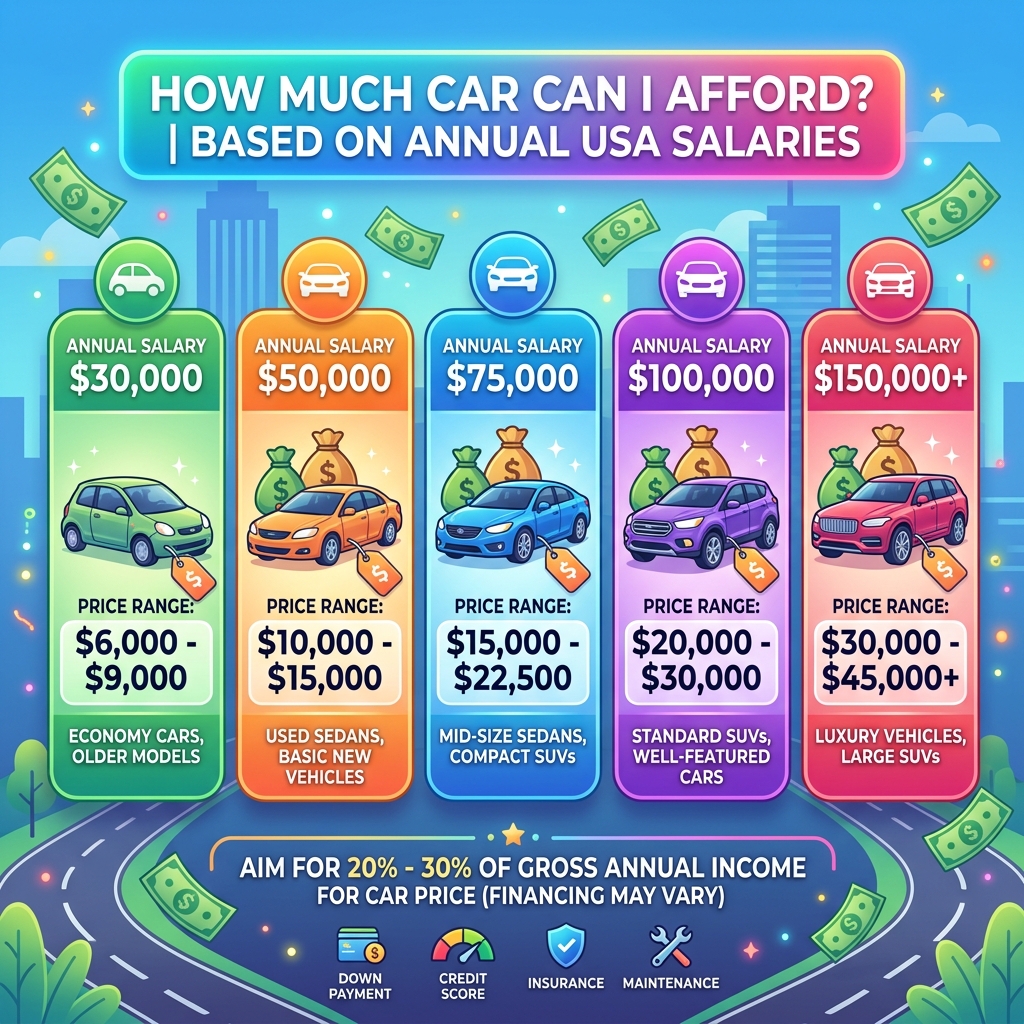
Q5: What is the 20/4/10 rule? A5: A fantastic safety net for your family budget: put 20% down, pay the car off in 4 years, and keep total car costs under 10% of your take-home pay.
Q6: What are the age and mileage rules for a used car? A6: Lenders want to protect you from buying a broken-down car. Because of this, they usually won’t finance vehicles older than 10 years or driven over 100,000 miles.
Q7: What is the difference between interest rate and APR? A7: The interest rate is just the basic borrowing cost. The APR is the honest truth—it includes all those hidden fees so your family knows the exact final bill.
Q8: Can I lower my payments if rates drop? A8: Yes! If market rates drop, you can happily swap your current contract for a fresh Auto Loan to grab lower payments and ease your monthly stress.
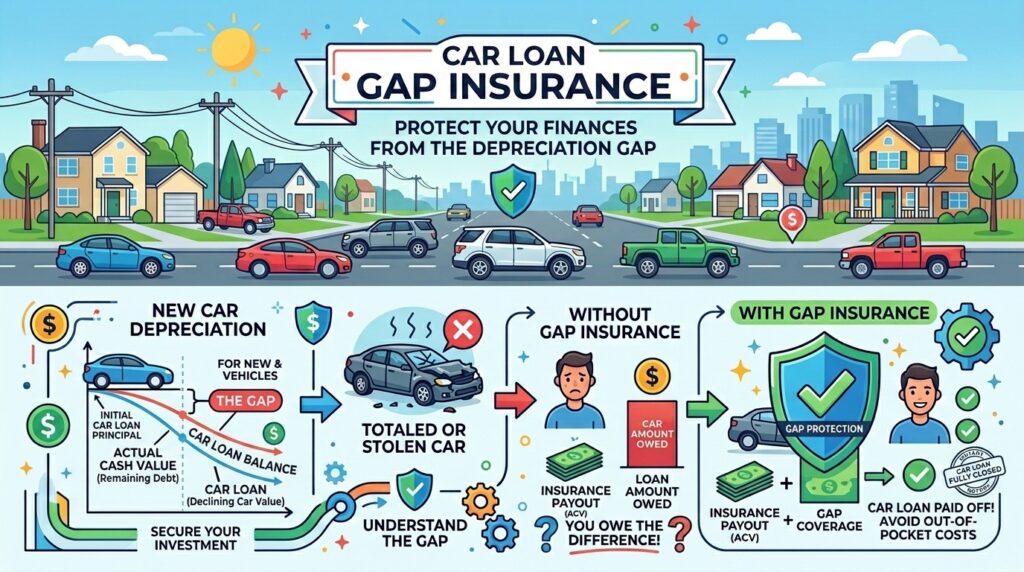
Q9: What is negative equity, and how do I avoid it? A9: This scary trap happens when you owe more money than the car is actually worth. You can easily protect yourself by paying a larger cash deposit upfront.
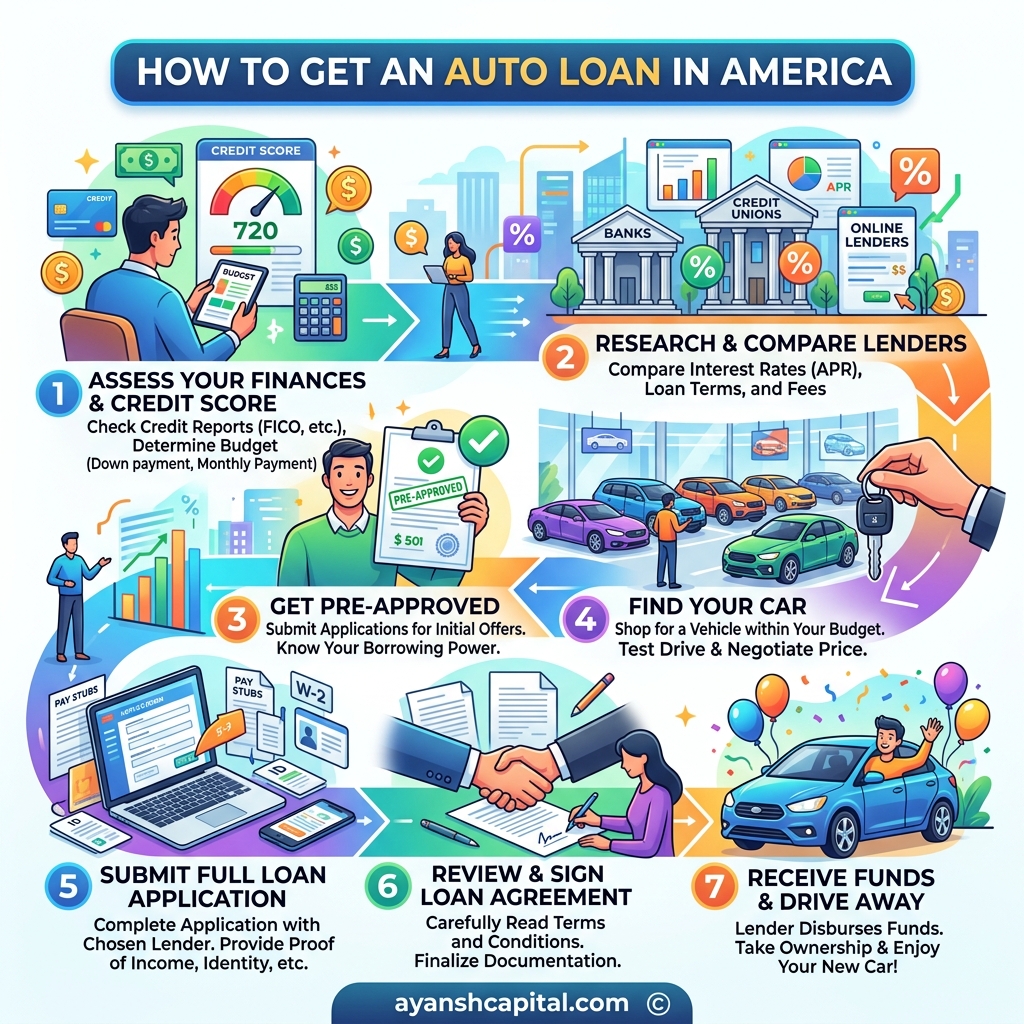
Q10: Why get pre-approved before visiting a dealership? A10: Walking in with a pre-approved Auto Loan gives you the peaceful confidence of a cash buyer, completely shielding you from pushy dealership markups.