
The Truth About Credit Score Auto Loans in the USA
Family Happiness: A New Beginning and Your Credit Score Auto Loans
Imagine it is a beautiful Sunday morning. You are standing in the showroom holding your children’s hands, to see the glow and excitement of a new car on their faces. This is not just a moment of buying a frame of iron and machine; it is a new beginning of your family’s safe journeys, vacations spent together, and countless joys. But, have you ever thought about whose hands actually hold the key to this beautiful dream? It is not just a matter of some rupees deposited in your bank, but it depends on your Credit Score Auto Loans.
The truth is that the real path to that key passes through your Credit Score Auto Loans. Banks do not look at it just like a mechanical number; for them, it is a living mirror of your years of hard work, your honesty in paying back every single penny, and your firm responsibility towards your family. Let us step out of the boring and bookish world and understand in absolutely simple and relatable language how this entire system works. We will learn how a little bit of wisdom can save your blood, sweat, and tears’ earnings from going into the bank’s treasury.
The Dream Car and Your Credit Score Auto Loans: How Does This Entire System Work?
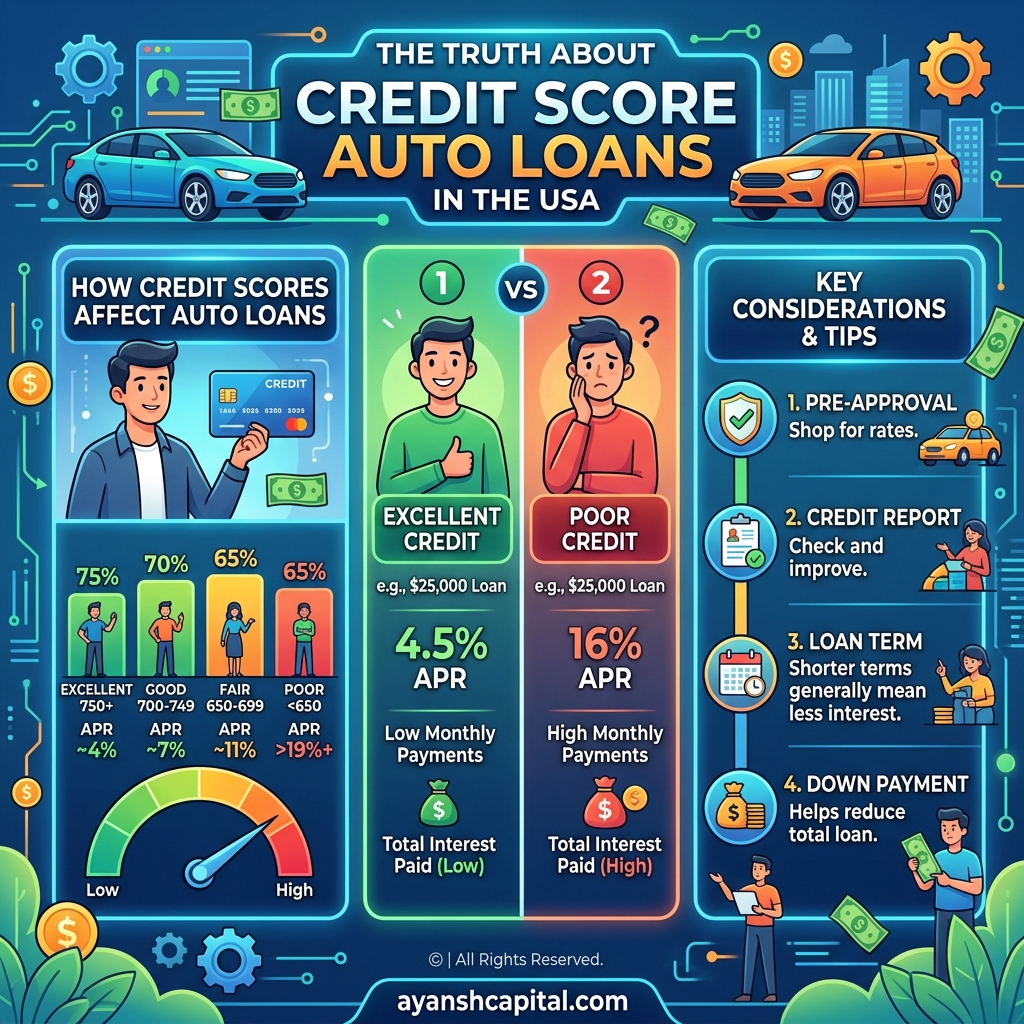
1. FICO® Score: The Biggest Foundation of Banks’ Trust More than 90% of large banks and lenders in America place their biggest trust exactly in your FICO (Fair Isaac Corporation) score. It is a number between 300 and 850. Understand it like this: just as you trust your children because of their good habits, similarly banks trust your financial habits.
- The Phase of Struggle: If your score is between 300 and 600, banks are haunted by the fear of their money sinking. Due to weak Credit Score Auto Loans, they make the terms very strict.
- A Secure Future: If your score is between 700 and 850, banks consider you a responsible human being and they happily support your family.
2. Three Witnesses of Your Financial Journey (Credit Bureaus) Your financial reputation is not something built in the air. In America, there are three major institutions named Experian, Equifax, and TransUnion, which are the true witnesses of your financial life. For example, just like a mother carefully keeps the account of every small and big household expense in an old diary, exactly similarly these bureaus keep track of your every financial step. When you pay your credit card bill or house rent with your hard work, these bureaus record that honesty of yours in their report.
- This information is important because this exactly determines your reputation. Sometimes when you are in a car showroom with your family, the combined report of these three bureaus is also looked at to closely understand your total dedication and struggle. On the basis of this detailed report, a firm and true picture of your Credit Score Auto Loans comes to the fore, through which banks are able to easily trust you.
3. An Unknown Truth: The Difference Between a General FICO Score and a FICO® Auto Score This is that crucial part of car financing of which many families remain unaware. We only know the general FICO score (300-850), but while giving a car, banks specifically look at the ‘Auto Score’.
- General Score: This tells how you manage your everyday household expenses.
- Auto Score: This is made only to see whether you will pay your car installments on time or not. Since a car is a family asset, the math changes. Because of this unique math, your Credit Score Auto Loans is measured on a specific scale of 250 to 900. The higher this number, the lesser the burden of installments on your home.
4. FICO Auto Score Changing with Time Just as we teach new things and values to our children with time, similarly FICO also updates its methods:
- FICO Auto Score 8: Even today, most showrooms use this the most.
- FICO Auto Score 9: This is a huge relief for families. If you have any outstanding bill for an old medical treatment or hospital (medical bill), this version does not give a heavy punishment for it like a normal debt.
- FICO Auto Score 10: This is the newest method, which closely looks at your improvement over the past 24 months. To get the most accurate information, while checking your Credit Score Auto Loans, you must definitely ask the bank which version they are using.
5. A Real-Life Example: The Impact of a Small Mistake Understand this from the perspective of an ordinary father or mother. Suppose, someone’s general FICO score is 680 (which is quite good). But, during some bad times (like losing a job or a sudden illness), some old car of his was repossessed.
- His general score will remain 680 because he is paying his card bill today.
- But, his auto score related to the car will fall down to 580. As soon as the bank sees this, they immediately start looking at this customer with bad Credit Score Auto Loans as a big risk.
6. The Direct Relationship Between Your Risk and Interest Rates Banks decide the interest rate (APR) by looking at this very score of yours, which has a direct impact on your children’s future and the household budget.
- Safe Customers: If the bank has trust in your honesty, they apply a very low interest of merely 5% to 6%.
- Risky Customers: When the bank feels scared, they extort the price of that fear from you. From people with weak credit, banks ask for a massive interest of 15% to 22%, which can eat away any family’s savings like termites.
Credit Score Auto Loans: 5 Credit Tiers That Decide Your Family’s Budget
In the car market, banks divide customers into 5 segments based on their score. Which segment you fall into decides exactly whether the car will bring happiness or the stress of debt for you.
1. Super Prime: 781 to 850 (The Reward of Years of Hard Work) If your score is above 781, it is the sweet fruit of your hard work and financial discipline done by sacrificing your nights’ sleep.
- Getting a Loan: 100% without any hassle.
- Interest Rates: The cheapest rates in the market. You easily get fantastic offers like 0% APR or 1.9% APR.
2. Prime: 661 to 780 (A Safe and Pleasant Zone) Most responsible families fall in this very zone.
- Getting a Loan: Attained very easily.
- Interest Rates: You get a fantastic loan at a very low interest from big banks, which does not ruin your household budget.
3. Non-Prime: 601 to 660 (A Little Struggle, But Hope Remains) When you apply with an average Credit Score Auto Loans, you do get the car, but the banks examine you a bit more closely.
- Getting a Loan: Banks want to be satisfied that a burden does not fall on you, so they ask for proof of your steady income.
- Interest Rates: From here the rates start to rise rapidly, which are often between 8% to 10%.
4. Subprime: 501 to 600 (A Difficult Phase) This is the phase when a family is going through financial struggle. For those whose credit is subprime, finding a path from normal banks becomes a bit difficult.
- Getting a Loan: You might have to depend on online lenders or dealership financing.
- Interest Rates: This falls heavily on your budget; rates range from 12% to 18%. You might also have to give a large down payment from your savings.
5. Deep Subprime: 300 to 500 (Danger Bell) This is the most expensive and challenging situation for a family.
- Getting a Loan: It is very difficult. Out of helplessness, one has to go to “Buy Here, Pay Here” (BHPH) dealers who sit to take advantage of someone’s helplessness.
- Interest Rates: Rates touch the sky, going up to 20% or above.
6. Your Ray of Hope: Masterplan for a Spectacular Comeback (Expert Pro-Tip) Remember, any bad time that comes in life is not forever! If you have fallen today, you will stand up again tomorrow.
If you are currently trapped in the subprime tier, get a cheap car and pay every installment with complete honesty for the next 6 to 12 months. As soon as your Credit Score Auto Loans improves with this dedication, you should immediately get that expensive loan ‘refinanced’. By doing this, you will directly come into the cheap interest rates of the ‘Prime’ tier and will save thousands of dollars of your family’s blood, sweat, and tears!
Here is a detailed, point-by-point breakdown of the average interest rates you can expect for both new and used vehicles across the different financial tiers:
Family Happiness and Your First Car: How to Get Excellent Credit Score Auto Loans Without a Record
Just think about that father or mother who works day and night for the good future of their family. You have always dealt in cash, saved every single penny, but never used a loan or a credit card. Now, when you go to the showroom to buy your first car to protect your children from the scorching sun, the banks disappoint you by making the excuse of you not having any old financial record (Ghost Credit).
After so much hard work done for the happiness of your loved ones, it is very natural to feel sad hearing this. But you do not need to panic at all! With this firm dedication of yours and a little bit of wisdom, achieving fantastic Credit Score Auto Loans even without any old history is entirely possible. Let us understand this journey in absolutely simple and family-friendly language, so that your hard-earned money remains safe.
The Joy of the First Car: Fantastic Credit Score Auto Loans Without a History
When banks cannot see any old record of yours, they look at your hard work today. Understand from these family examples how you can win their trust:
- Proof of Steady Income: Just like the head of a family, as soon as the salary arrives, first sets aside the household groceries and children’s fees, banks just want this very assurance. Due to not having an old record, to get a loan without established Credit Score Auto Loans, you will have to provide proof of your current income (salary slips, 3 to 6 months of bank statements). With this, banks become carefree that the car installment will not ruin your household budget.
- Job Stability (Proof of Honesty): If you have been working hard sticking to the same place for 1 to 2 years, it shows that you are a very responsible person. Changing jobs frequently scares the banks.
- Cash Money (Down Payment): Giving a 20% to 25% down payment from your blood, sweat, and tears’ savings instantly eliminates the bank’s fear. This is exactly like winning someone’s firm trust by giving your hard-earned money.
- Habit of Paying Bills: Do you pay the house rent and electricity bill on time? This is a huge proof of your responsibility! Connect these with a free service like ‘Experian Boost’ and build your reputation.
Not Just a Score: The Family Math Behind Credit Score Auto Loans
Many times banks do not just look at a number; they look at your entire household budget (Financial Ratios), so that no heavy financial crisis falls on you because of the new car.
1. DTI (Debt-to-Income Ratio)
- Understand with an example: Suppose, your family’s total income is $5,000 a month, and your old bills are $2,000 (which is 40%). Banks want that even after adding the new installment, this should not cross 45%. Remember, for good Credit Score Auto Loans, this right balance of income and expense is very important, so that you can also save money for your children’s tomorrow.
2. PTI (Payment-to-Income Ratio)
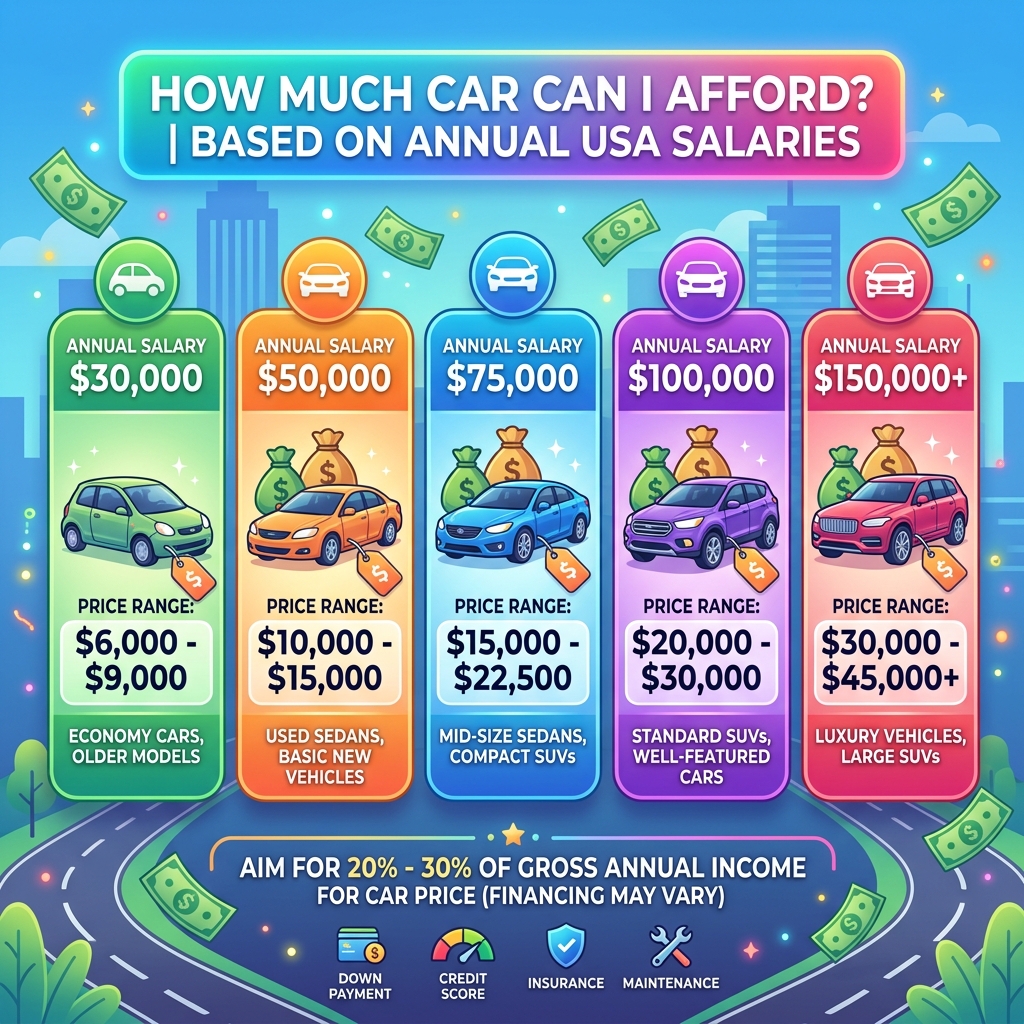
- Family Security: Financial experts believe that the total expense of your car (including insurance) should not be more than 10% to 15% of your monthly income. To get the right Credit Score Auto Loans, it has to be proven that this new car will not cut into the money for your household groceries or your children’s happiness.
3. LTV (Loan-to-Value Ratio)
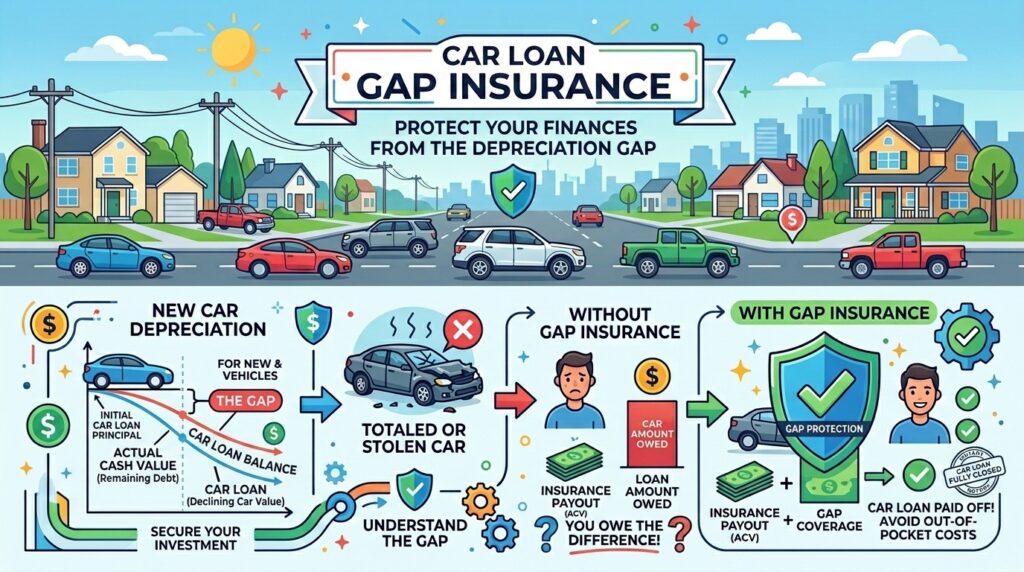
- A Step of Wisdom: Many times dealers cleverly add the loss of the old car into the new loan as well, due to which the loan for a $20,000 car becomes $25,000. As a responsible head of the family, reducing this loan amount by giving a good down payment for Credit Score Auto Loans with excellent terms is the wisest step.
How to Increase Your Score: 3 Magical Steps for Excellent Credit Score Auto Loans
If there are still 2 to 3 months before buying a car, a little hard work can save thousands of dollars for your family:
1. Right Use of Credit Cards (Utilization Ratio)
- The Mantra for Victory: If the limit is $10,000, then use less than $3,000 of it for household expenses. To get excellent Credit Score Auto Loans, using the card less and paying it off on time shows the fastest effect. This discipline of yours will also teach your children to save correctly.
2. Correct Mistakes in Your Report
- Many times due to old mistakes, the reputation looks bad. Before going to the showroom, pull a free report from AnnualCreditReport.com. If any old paid bill shows as outstanding, file a complaint online immediately.
3. The Support of Loved Ones (Co-Signer): When Someone Holds Your Hand
When it is difficult to walk alone in a new city, take the support of an elder in the family or a friend (whose own score is above 700). On the basis of their trust and the excellent record of a close one, good Credit Score Auto Loans are attained instantly and at a very cheap interest rate. This is not just a sign on paper; it is the beginning of a safe and magnificent tomorrow for your family!
A Dream of a Car in Bad Times: How to Get Excellent Financing Despite Low Credit
When we go through a difficult phase in life (like a serious illness or sudden job loss), sometimes our financial record unknowingly gets ruined. If your score has dropped below 600, do not blame yourself or your luck. Today, millions of families in America have parked a new car in the courtyard of their house despite a bad financial history.
The truth is that if you handle it wisely, this very car loan can become the best weapon to strengthen your financial situation again. It is absolutely possible to get excellent Credit Score Auto Loans even with a weak score, you just need to know the right path. Let us understand like the head of a family how you can win over this difficulty:
Surefire Ways to Bring a Car Home Despite Bad Credit
1. Right Use of Your Blood, Sweat, and Tears’ Savings (Large Down Payment) When your credit is weak, banks are very scared. They feel that their money will sink. But when you give 20% or more of the total price of the car in cash (down payment) from your savings, this fear of the bank immediately ends.
- An example of a father/mother: Just think, the pennies you have saved by cutting down your household expenses, when you place that in cash before the bank, the bank immediately starts trusting your hard work and honesty.
- This not only multiplies the hope of your loan getting approved but also reduces the interest rate significantly. For excellent Credit Score Auto Loans, this right use of your savings always saves you from getting trapped in ‘negative equity’ (meaning the swamp of debt more than the real price of the car).
2. True Support of Loved Ones (Trustworthy Co-Signer) Many times when we fall weak alone in the journey of life, the hand of our loved ones saves us from falling. If your score is too low to get a loan alone, you can add a senior member of your family or a close friend (whose score is 700 or above) with you for a guarantee.
- Family values: When a loved one signs on the bank paper for you, it is not just ink; it is their unbreakable trust in you. Seeing this excellent record of theirs, the bank happily gives you the loan.
- Since this loan is attained on the trust of loved ones, the interest rate on Credit Score Auto Loans achieved through this method is very cheap and absolutely favorable to your household budget.
- An important and heartfelt warning: If you miss paying the installment, the credit of that person who helped you in your bad times will also be ruined. Never let this sacred trust break; always pay your installments on time.
3. Choose the Right Helper (Subprime Lenders) There are companies like Auto Credit Express or myAutoloan in the market, which are made specifically to help struggling families with bad credit. Instead of scratching your old mistakes or putting you down, they look at your hard work today, your income, and job stability.
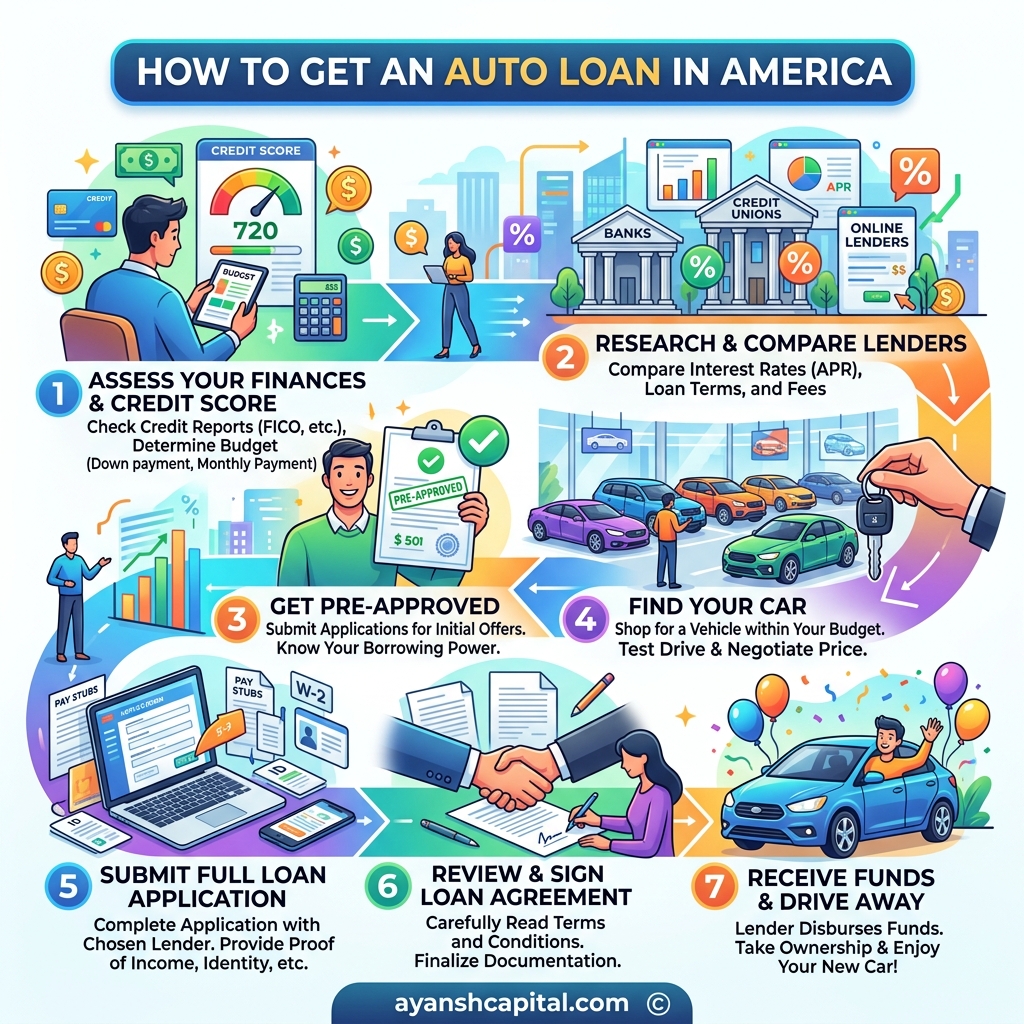
- An example of wisdom: Just like we consult in the family and fix a budget before buying any major household item (TV, fridge), similarly, taking a ‘pre-approval’ (confirming the loan beforehand) from these safe online platforms before going to the showroom is the biggest wisdom.
- This pre-confirmed Credit Score Auto Loans keeps you completely safe from the tricks of showroom dealers and arbitrary heavy interest.
4. Avoid the Sweet Poison (“Buy Here, Pay Here” Dealerships) These are those dealers who give huge advertisements that “we give cars to everyone without any check.” As a responsible human being, never fall for their smooth talk. Taking advantage of people’s helplessness, they sell cars very expensively and apply interest rates up to 25%.
- A question of family honor: If you miss paying even a single installment any month due to children’s fees or someone falling ill in the house, they will tow your car without informing you. These people install GPS trackers or remote switches in the car, through which they can turn off the car’s engine from anywhere even on a single day’s delay.
- Just think, would you want to put your family in such disrespect and danger? For the safety of your family, going on this path should be your absolute last resort. A right Credit Score Auto Loans is never attained on such humiliating terms.
Conclusion: This is Not an End, It is a New Beginning
Truth be told, there is no single fixed number decided to get a car loan. Still, if your score is 660 or above (prime tier), this is the best situation where you get zero down payment and the lowest interest rate.
But if your score is less than 600, it would be better to wait a bit and improve your record. You can give a large down payment or take the help of safe online lenders. The most important thing is that before stepping into the showroom, always go with a ‘pre-approval’ from the bank.
By this, the real power of negotiation remains in your hands. Ultimately, a wisely chosen Credit Score Auto Loans can either become a safe asset for your family, or a loan taken without thinking can become a burden that takes away your nights’ sleep. The decision is in your hands!
10 Important Questions Arising in Your Mind (FAQs)
- Question 1: How is a score of 600 considered for car finance?
- Answer: A score of 600 falls in the subprime Credit Score Auto Loans category. You will get the loan, but you might have to pay a heavy interest of 12% to 18%. To reduce this, giving a large cash down payment is the best solution.
- Question 2: Can I get a car on my bad financial profile without a down payment (Zero Down)?
- Answer: No, for a true zero down payment, an excellent score of 700 or above is required. If your score is low, to reduce the bank’s fear, you will have to give a down payment of 10% to 20%.
- Question 3: Will applying for a loan drop my score?
- Answer: Yes, there will be a slight impact initially. When the bank checks your file, the score can drop by 2 to 5 points. But as soon as you start paying installments honestly, your record becomes even stronger than before in just a few months.
- Question 4: What is the difference between taking a loan from a dealership and taking a loan directly from a bank?
- Answer: Mathematically both are the same, but the dealer sends your form to many banks at once. The good thing is that all checks done within a ‘shopping window’ of 14 to 45 days are considered as only one inquiry.
- Question 5: What should be the lowest score for a car loan to get approved?
- Answer: Legally there is no minimum score. Some dealers give a loan even on a score of 300 to 500, but taking a loan in such a bad condition means that you will have to pay a lethal interest of more than 20%+.
- Question 6: If I pay installments on time, how quickly will my score improve?
- Answer: You will start seeing the fruit of your honesty in just 3 to 6 months. Consistently paying installments at the right time takes your score up rapidly.
- Question 7: If my score improves, can I get the interest reduced later?
- Answer: Absolutely! If your loan is expensive due to a bad record, pay installments with complete honesty for 6 to 12 months. After this, you can get your expensive Credit Score Auto Loans refinanced. Meaning, by taking a new and cheaper loan, you can end the old expensive loan.
- Question 8: Will finishing the loan early drop my score?
- Answer: It might sound strange to hear this, but yes. When you pay off the loan completely, that account gets closed. However, in the journey of a safe Credit Score Auto Loans, this small drop means nothing in front of the happiness of the money saved from heavy interest.
- Question 9: What will be the impact on my own score by taking the help of loved ones (co-signer)?
- Answer: This is the best part! When you take the help of loved ones, the bank’s report has the names of both you and them. Every installment paid by you on time strengthens your own Credit Score Auto Loans too, so that in the future you will not have to ask for anyone’s help.
- Question 10: Which credit bureau’s report do auto lenders look at the most?
- Answer: Lenders use all three—Experian, Equifax, and TransUnion. This depends on the bank’s own discretion. Therefore, before applying for any Credit Score Auto Loans, make sure that there are no mistakes in these three reports.